
Tattoo healing:
What to expect
Getting a tattoo is only the first part of the process. The real result appears during healing, when your skin settles, the lines soften into place, and the tattoo becomes part of you.
Tattoo healing is usually straightforward, but it does not look the same for everyone. The size of the tattoo, its placement, your skin type, and how well you follow aftercare all affect the way it heals. Knowing what to expect helps you avoid unnecessary stress and take better care of the final result.
The first 24 hours
Right after your session, your tattoo will usually look very fresh, sharp, and a little irritated. The area may feel warm, tender, or slightly swollen, especially if the tattoo is in a sensitive place. This is completely normal and usually fades within the first day or two.
Your artist will likely cover the tattoo with a bandage, film, or protective wrap. The exact instructions depend on the method used, but the goal is the same: protect the tattoo from bacteria, friction, and dirt during the first stage of healing.
Days 2 to 4
In the next few days, the tattoo may start to feel dry or tight. Some redness can remain, and the skin around it may still be slightly sensitive. This is often the stage where people begin to notice a thin layer of peeling or flaking.
It is important not to scratch, rub, or pick at the tattoo. Even if the skin feels itchy, let it heal naturally. This stage can be uncomfortable, but it is temporary and part of the normal healing process.
peeling and itching. Peeling usually begins around the end of the first week, though it can happen earlier or later depending on the person. The tattoo may look dull, cloudy, or slightly hidden under a thin layer of skin. This is normal and does not mean the tattoo is damaged.
Itching is also common during this stage. The skin is repairing itself, and that process can make it feel uncomfortable. A light, fragrance-free moisturizer can help, but too much product can suffocate the skin, so use only a thin layer.
Weeks 2 to 4
By the second or third week, the outer layer of skin is usually mostly healed. The tattoo may look settled, but the deeper skin is still recovering. This means the tattoo can still be sensitive, even if it looks finished on the surface.
At this point, the colors or lines may seem a little softer than they did on day one. That does not mean the tattoo has faded badly. It usually means the skin is still fully adjusting.
How different styles heal
Not every tattoo heals in exactly the same way. Bold, graphic work often heals in a very clean and readable way because the structure is strong from the beginning. Designs with clear contrast and confident lines usually stay visually strong as the skin settles.
More delicate designs can look softer sooner, which is not always a bad thing, but it does mean healing matters even more. The way a tattoo is designed should always take healing into account, not just how it looks fresh.
What can slow healing
Several things can make healing take longer or look less even. These include:
excessive sun exposure.
❌swimming too early.
❌ tight or dirty clothing rubbing the area.
❌ over-washing or under-washing.
❌ scratching or picking at scabs and flakes.
❌ using the wrong products.
If you ignore aftercare, even a well-done tattoo can heal poorly. Good healing is a mix of good technique and good care.
When to worry
Some redness, soreness, and mild swelling are normal. But if the area becomes increasingly hot, very painful, heavily swollen, or starts leaking unusual fluid, that may be a sign of infection. In that case, it is important to get medical advice quickly.
A tattoo should heal with time, not get worse every day. If something feels off, do not wait too long to check it.
Aftercare matters
The best tattoo aftercare is simple: keep it clean, protect it from the sun, and let it heal without interference. Your artist’s instructions matter more than random advice from the internet, because aftercare can vary depending on the tattoo and the products used.
Good aftercare does not just protect your skin. It protects the final look of the tattoo too. A healed tattoo that looks crisp, balanced, and clean usually starts with careful treatment from the very beginning.
Final thought
Tattoo healing is a process, not a single moment. The first days may feel awkward, the middle stage may look strange, and the final result only appears after the skin fully settles.
That is why choosing an artist who understands both design and healing is so important. A tattoo should be made to look good not only on day one, but long after it has healed.
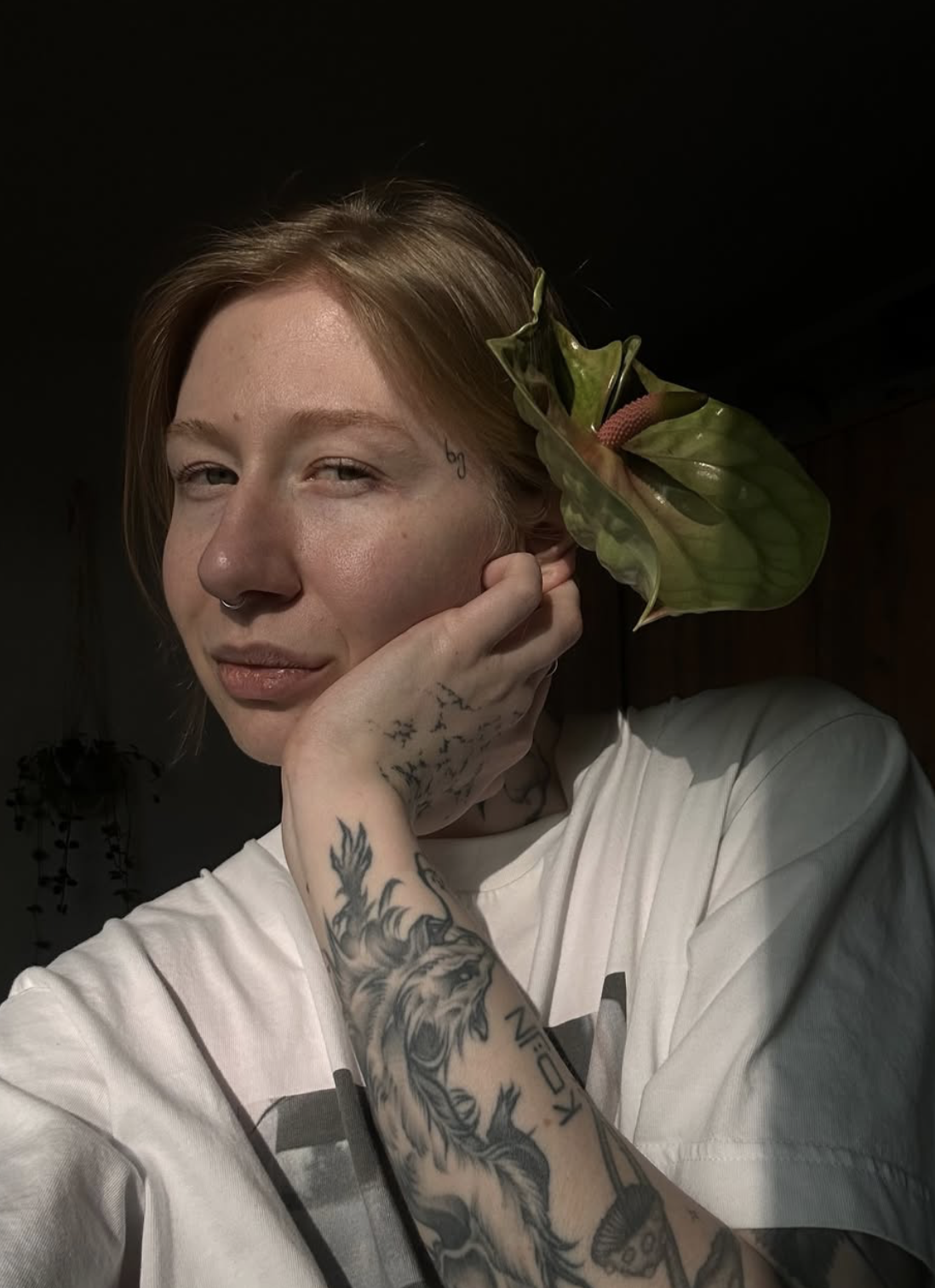
This article was written by a tattoo artist in Barcelona specializing in graphic tattoo and custom tattoo design.
My work focuses on creating original pieces inspired by nature, science, and structure — not copying existing designs.
If you are looking for a unique tattoo artist in Barcelona who creates custom concepts instead of repeating trends, you can explore my work or book a consultation.